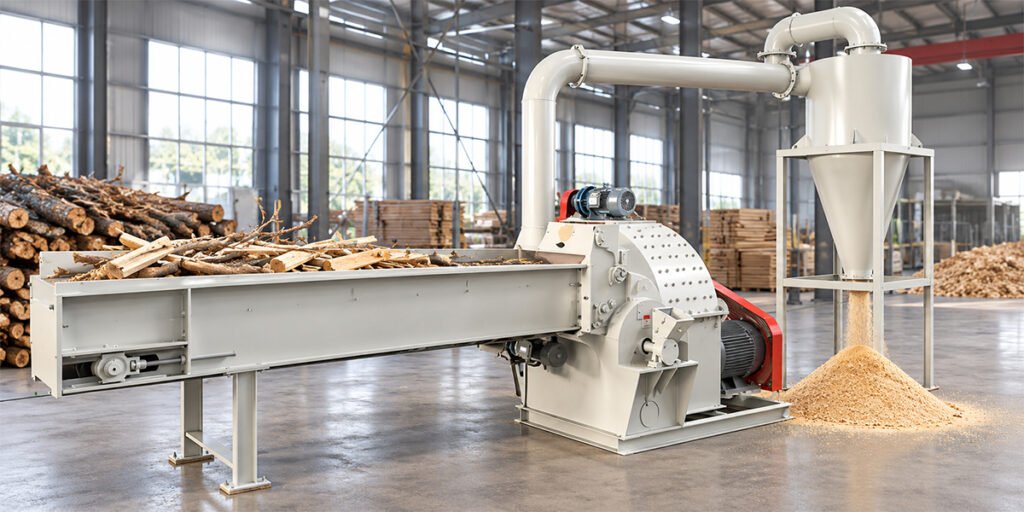
A sawdust making machine processes wood chips, branches, slabs, logs, and clean wood waste into fine sawdust. FUDE provides sawdust making solutions for biomass pellet plants, briquette factories, animal bedding production, mushroom cultivation, and wood recycling applications.
The machine can be configured according to your raw material, required sawdust size, production capacity, moisture content, and complete production line.
A sawdust making machine is a wood grinding machine used to reduce wood materials into fine and uniform sawdust.
Unlike a wood chipper, which produces larger wood chips, a sawdust machine uses a high-speed rotor, hammers, or cutting components to grind wood into smaller particles.
The final sawdust can be used for:
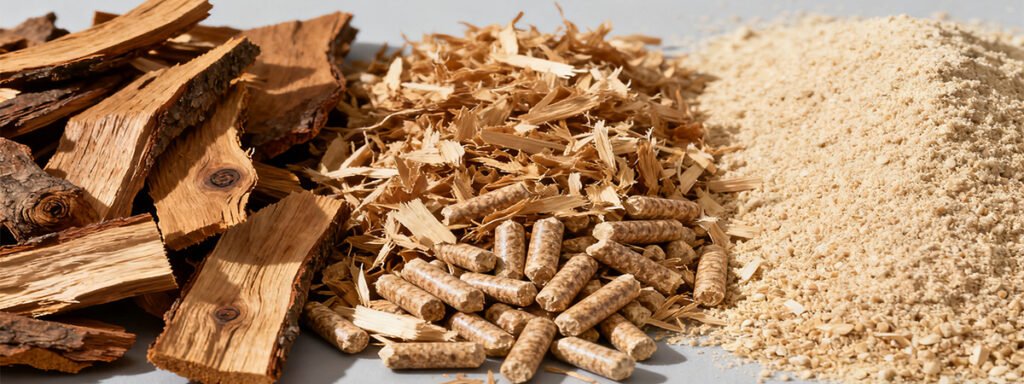
Biomass pellets
Biomass briquettes
Wood fuel
Animal bedding
Mushroom cultivation
Particleboard production
Compost and agricultural applications
Wood recycling
The correct machine depends on the size of the material entering the machine. Large logs and branches may require a wood chipper or wood crusher before the sawdust-making process.
What Materials Can the Machine Process?
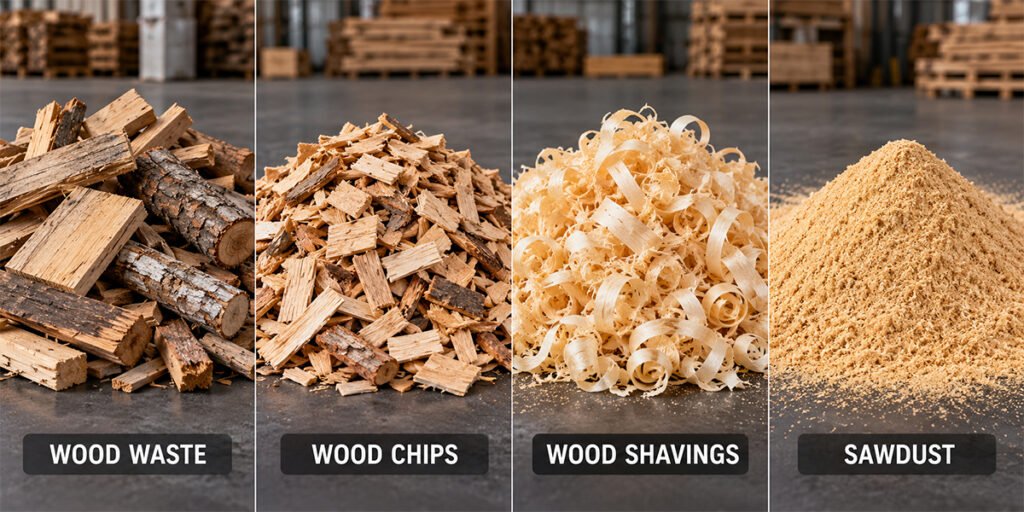
FUDE sawdust making machines can process many types of clean wood waste, including:
Wood chips
Small branches
Sawdust residue
Sawmill waste
Wood slabs
Wood offcuts
Bamboo and similar biomass materials
Small logs
Forestry residue
Clean wood pallets and boards
The raw material should be free from stones, concrete, glass, and excessive metal. Foreign objects may damage the hammers, screen, rotor, and bearings.
The working process normally includes four stages.
1. Feeding
Wood chips or other pre-processed materials enter the feeding hopper or conveyor. The feeding system controls the material flow and helps prevent overload.
A belt conveyor or screw conveyor can be installed before the machine when continuous feeding is required.
2. Grinding
The material enters the grinding chamber and comes into contact with the high-speed rotor and hammers.
The hammers repeatedly impact and grind the wood until the particles become small enough to pass through the screen.
3. Particle Size Control
The screen controls the final sawdust size. A smaller screen opening normally produces finer material, while a larger opening allows higher output with coarser particles.
The final particle size depends on:
Screen opening
Rotor speed
Hammer shape
Raw material size
Wood moisture
Feeding speed
Required application
4. Collection
After grinding, the sawdust can be discharged through a conveyor, screw conveyor, cyclone, or dust collection system.
For pellet production, the sawdust may be sent to a dryer, hammer mill, pellet mill, cooler, and packing machine.
What Is the Difference Between a Wood Chipper and a Sawdust Machine?
A wood chipper cuts wood into relatively large chips. A sawdust making machine grinds wood chips or small wood waste into much finer particles.
Equipment
Main Function
Typical Feed Material
Final Product
Wood Chipper
Cuts wood into chips
Logs, branches, slabs
Wood chips
Wood Crusher
Crushes bulky or mixed wood waste
Pallets, furniture, boards
Crushed wood
Sawdust Making Machine
Grinds wood into fine particles
Wood chips, sawmill residue
Sawdust
Hammer Mill
Further grinds biomass
Chips, sawdust, agricultural waste
Fine powder or particles
For large branches or logs, a complete line may use a chipper first and a sawdust machine afterward.
What Are the Applications of Sawdust?
Biomass Pellet Production
Sawdust is one of the most common raw materials for biomass pellets. It can be dried, ground, pelletized, cooled, and packed for use as fuel.
You can connect the machine with a biomass pellet mill to build a complete pellet production line.
Biomass Briquettes
Sawdust can also be compressed into biomass briquettes. The required moisture content and particle size depend on the briquette machine.
Animal Bedding
Clean and dry sawdust can be used as bedding for horses, poultry, livestock, and other animals. The material should be free from chemicals, paint, and treated wood.
Mushroom Cultivation
Sawdust is used as a cultivation substrate for some types of mushrooms. The wood species, moisture, and particle size should meet the requirements of the cultivation process.
Wood Panel Production
Fine wood particles can be used in particleboard, composite board, and other wood-based products.
How to Choose the Right Sawdust Making Machine?
The machine should be selected according to the complete production process, not only the machine price.
Raw Material
Tell us whether you process wood chips, branches, slabs, sawdust, bamboo, or another biomass material.
Maximum Feed Size
Measure the largest material entering the machine. If the material is too large, a chipper or crusher may be required before grinding.
Required Sawdust Size
Tell us the desired particle size and the final application. Pellet production, animal bedding, and mushroom cultivation may require different particle sizes.
Production Capacity
Provide your target output per hour. The capacity depends on the raw material, moisture content, screen size, motor power, and feeding system.
Moisture Content
Wet wood usually requires drying before pelletizing or briquetting. High moisture may reduce grinding efficiency and affect the final product.
Power Supply
Please confirm your local voltage, frequency, and available motor capacity. FUDE can recommend a suitable electric configuration according to your location.
What Equipment Is Used with a Sawdust Making Machine?
A complete sawdust production line may include:
Raw material storage
Feeding conveyor
Wood chipper or crusher
Sawdust making machine
Cyclone or dust collector
Vibrating screen
Dryer
Pellet mill or briquette press
Cooling system
Packing machine
Not every project needs all of these machines. The final configuration depends on your raw material and product requirements.
For example, a small sawmill may only need a sawdust machine and collection system. A biomass fuel factory may need a complete drying and pelletizing line.
How to Maintain the Sawdust Making Machine?
Regular maintenance helps maintain stable output and reduce downtime.
Important maintenance tasks include:
Check the hammers regularly
Replace worn or damaged hammers
Inspect the screen for cracks
Clean the grinding chamber
Check bearing temperature
Lubricate bearings according to the manual
Inspect belts and couplings
Check electrical connections
Remove foreign objects from the feeding system
Tighten bolts after regular operation
Worn hammers may reduce grinding efficiency and increase power consumption. A damaged screen may affect the final sawdust size.
Always stop the machine and disconnect the power supply before opening the inspection door or replacing wear parts.
How Much Does a Sawdust Making Machine Cost?
The price depends on the machine model and the complete configuration.
Main cost factors include:
Raw material type
Feed size
Required production capacity
Sawdust particle size
Motor power
Screen configuration
Feeding conveyor
Dust collection system
Cyclone and discharge system
Spare parts
Shipping destination
Complete production line requirements
A standalone machine usually costs less than a complete line with feeding, drying, pelletizing, cooling, and packing equipment.
To receive an accurate quotation, please provide raw material photos, maximum feed size, required output, desired sawdust size, moisture content, and destination.
Frequently Asked Questions
What is a sawdust making machine used for?
It is used to grind wood chips, branches, slabs, sawmill residue, and other clean wood waste into sawdust for pellets, briquettes, biomass fuel, animal bedding, mushroom cultivation, and wood panels.
Can it process logs and large branches?
Large logs and branches normally require pre-processing. A wood chipper or wood crusher can reduce the material size before it enters the sawdust making machine.
Can the machine produce different sawdust sizes?
Yes. The final size can be adjusted by changing the screen, rotor configuration, feeding speed, and other operating parameters.
Can wet wood be processed?
Wet wood can be processed, but high moisture may reduce grinding efficiency. If the sawdust will be used for pellets or briquettes, a drying system may be required.
Can the machine be used for biomass pellets?
Yes. The sawdust can be sent to a dryer and pellet mill after grinding. The final process depends on the moisture content and required pellet quality.
What information should I provide before buying?
Please provide the raw material, maximum feed size, moisture content, required capacity, desired sawdust size, power supply, and final application.
Request a Sawdust Making Machine Solution
FUDE can help you select a suitable sawdust making machine according to your material and production requirements.
Please send us:
Raw material photos or videos
Maximum feed size
Required sawdust size
Target output per hour
Moisture content
Final application
Available voltage
Complete line requirements
Delivery location
Our team can recommend the machine configuration, explain the production process, and provide a quotation for your project.
Contact FUDE today for a sawdust making machine solution.
New - Crawler type tree branch crusher Motor power: 4P-22kwDiesel engine: 32HPFeed inlet size: 300 * 200mmMain engine speed: 2600r/mNumber of blades: 3 for moving blades, 1 for stationary bladesBlade length: 300mm Shelf life: One year warran...
drum chipper drum wood chipper machine is a specialized equipment for making wood chips, widely used in the production of wood chips in papermaking, particleboard, high-density fiberboard factories. It can cut high-quality industrial wood chi...
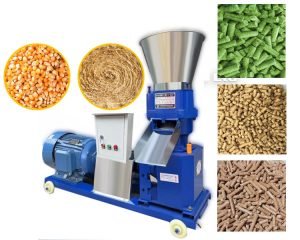
A feed pellet machine is a mechanical equipment that crushes raw materials such as corn, soybean meal, straw, forage, and rice husk, and then physically squeezes them into granular feed. Its core functions include: Customizable equipment according...
The pellet making machine mainly produces wood chips, straw, rice husks, bark, etc., which are processed and solidified into high-density pellet fuels. A complete pellet plant is not just a pellet mill; it is a fully integrated production line whe...
 Fude Machinery-wood crusher manufacturer



游客id:69236ltek
2025-11-2022:23